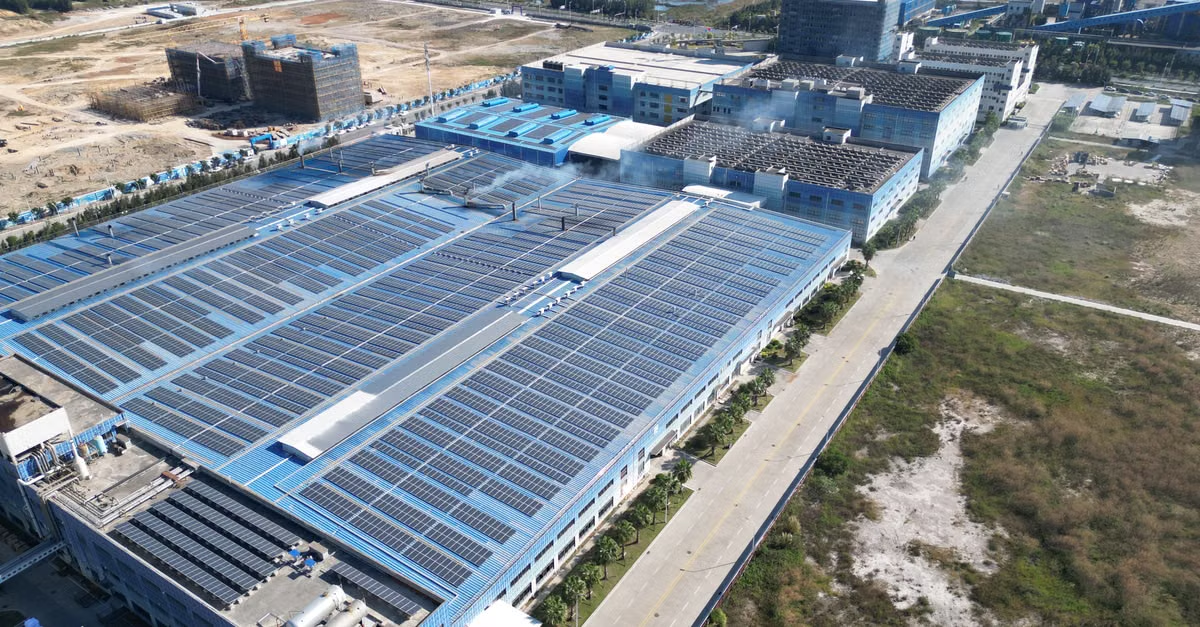
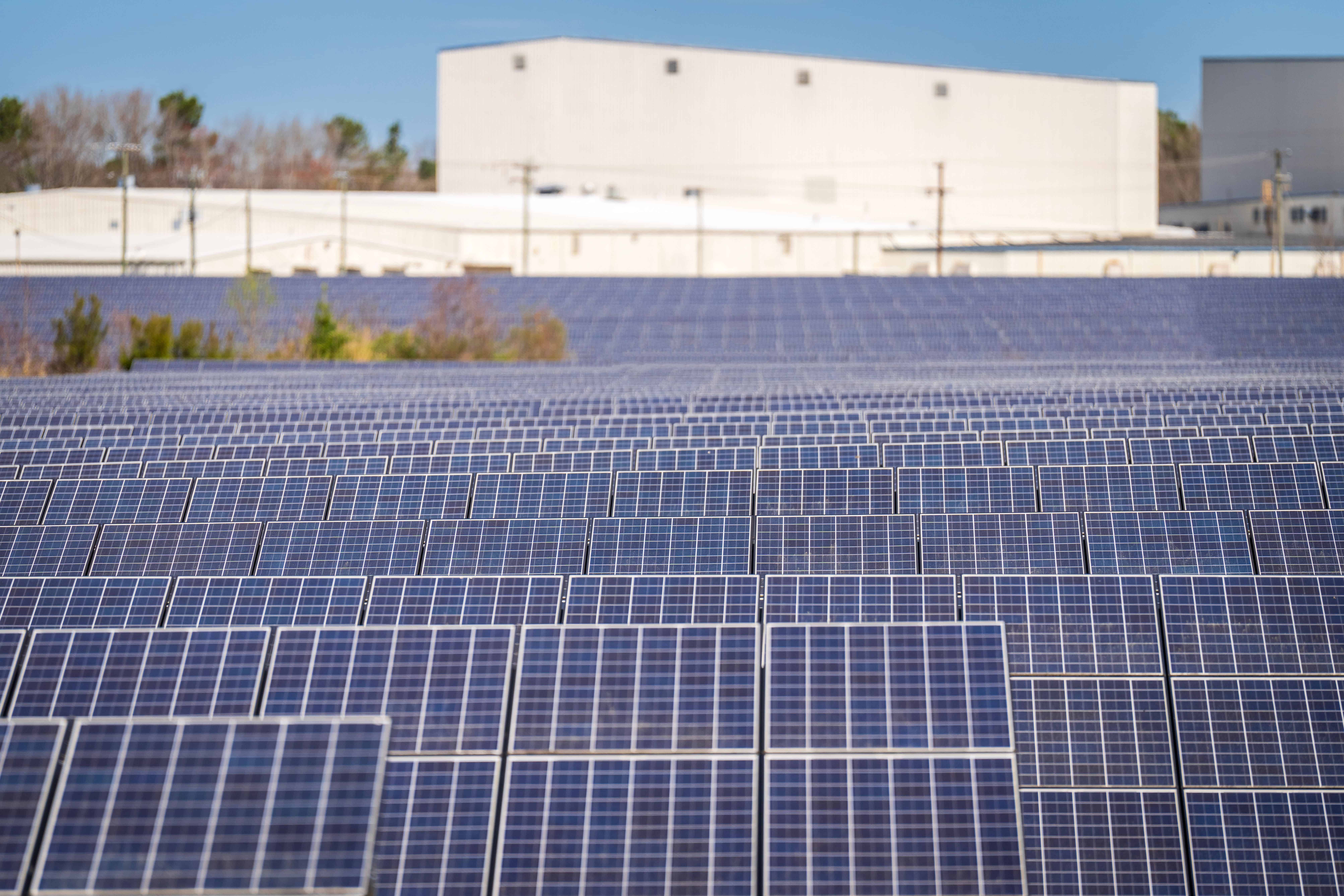
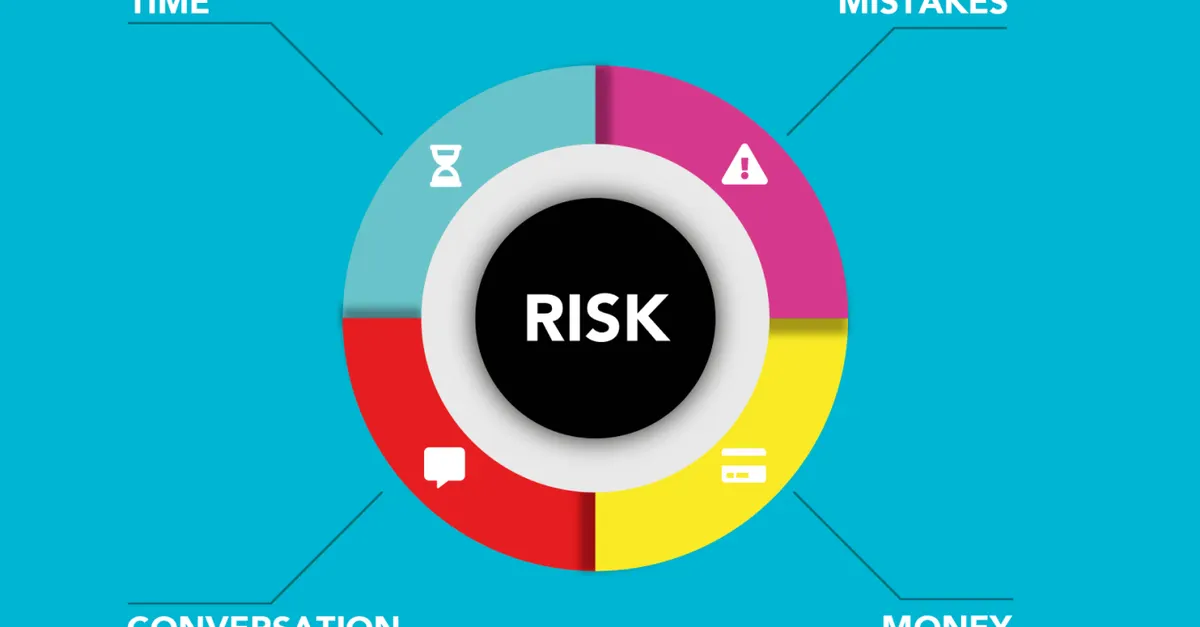
In community solar financing, lenders face a unique challenge: the stability of cash flows depends directly on subscriber payments rather than a single creditworthy offtaker. Banks and institutional investors must assess the risk of payment shortfalls due to consumer churn or an anchor default. This underpins both eligibility for debt and the ultimate cost of capital. When underwriting flags unsatisfactory subscriber risk, solutions to mitigate that risk, such as credit insurance, become critical, enabling even portfolios with non-investment-grade or unrated anchors or residential subscribers to become financeable.
At Energetic Capital, we have seen first-hand how intentional risk transfer allows projects to overcome this primary constraint on financing. Our expert-driven approach to credit insurance and risk quantification expands debt access, unlocks more cost-effective terms, and turns what was a blocking issue into a strategic advantage for sponsors, lenders, and project owners alike.
What Is Subscriber Payment Risk in Community Solar?
Community solar projects operate on a subscription model. Often times hundreds of residential, commercial, and small business subscribers purchase a share of the electricity generated, with revenues distributed based on each participant's usage. This structure creates a highly diversified revenue base but introduces complexity: financial performance hinges on the payment reliability of a large, dynamic customer base rather than a single utility or investment-grade corporate offtaker.
The core risk, known as churn, is the prospect that a portion of subscribers willterminate their subscription, or exit the program abruptly. This risk impacts the project’s ability to meet debt service, directly influencing the willingness of lenders to participate, the terms they offer, and the required reserve or enhancement strategies.

How Lenders Underwrite Subscriber Payment Risk
Lenders and investors apply a detailed, multi-layered framework to assess subscriber risk in community solar projects. Their process resembles traditional counterparty credit analysis but is adapted for scale and nuance. At Energetic Capital, we routinely advise teams on optimizing for these criteria.
Step-by-Step Underwriting Overview
- Portfolio Credit Quality: Lenders analyze aggregate FICO scores, payment histories, and, for business subscribers, audited financials.
- Subscription & Churn Management: They expect 80–100% subscription at closing and active plans for quickly substituting any non-paying or departing subscribers, modeling churn rates and substitution speed (often under 30 days).
- Diversification: Strong portfolios minimize concentration risk by limiting exposure to any one geography, customer segment, or sector.
- Subscription Manager Track Record: Experienced operators with a history of maintaining high subscription levels and minimizing churn are more trusted. Lenders scrutinize the admin’s billing, collections, and customer management capabilities.
- Cash Flow Stress Testing: Projects are modeled for payment default scenarios and must be able to meet minimum Debt Service Coverage Ratios (DSCR) even under adverse conditions.
- Documentation and Utility Billing: Robust, standardized contracts and strong utility on-bill repayment mechanisms enhance reliability. Non-standard documentation can increase diligence costs and risk.
- Portfolio Size: Lenders typically require projects or portfolios of sufficient scale ($15M+ in capacity) for institutional financing.
What Triggers Underwriting Failure?
Underwriting may fail, meaning the project cannot obtain institutional-grade debt, when the subscriber pool does not meet the Lender's thresholds. Typical failure points include:
- Too large a share of subscribers below underwriting thresholds or heavy reliance on unrated C&I customers
- High geographic or sector concentration
- Lack of a robust churn and subscriber management process
- Poorly-documented contracts, insufficient operational experience, or unclear cash collection mechanisms

What to Do When Underwriting Fails: Strategic Response Framework
If a community solar project cannot achieve lender-required risk thresholds, there are several proven strategies to solve or mitigate the issue:
- Bundle Project Types: Combine community solar with stronger credit assets, such as contracted rooftop or utility-scale solar, to diversify and "lift" the overall credit profile.
- Subscription Management Guarantees: Some Subscription managers will offer "churn guarantees" for the projects which they manage. Part of the challenge here is often these Subscription Management companies are often unrated themselves and thus lender's may not provide full credit to such guarantee.
- Transfer Risk via Credit Insurance: Work with a specialist platform like Energetic Capital to obtain bespoke credit insurance, which can convert non-investment-grade exposures to investment-grade equivalents. Our EneRate Credit Cover has enabled portfolios to double non-investment grade concentration and achieve up to 30% lower capital costs by issuing an insurance Policy by an A- (S&P) rated insurer.
- Target Mission-Aligned Lenders: In some instances, approaching lenders with a specific mandate for community or impact financing may yield more flexibility.
Energetic Capital has led successful risk transfer initiatives at every stage: from small distributed portfolios to major term loan facilities, consistently resulting in broader lender participation, improved terms, and faster closings throughout the clean energy transition.
Case Studies: Credit Insurance in Action
- Distributed Generation Portfolio: Energetic Capital’s insurance enabled a $225M credit facility for a PE-backed developer serving non-investment-grade customers. Lender appetite doubled for these riskier counterparties, diligence costs dropped, and deal flow accelerated.
- C&I Portfolio: In another example, EneRate Credit Cover supported an $80M term loan for a distributed generation owner, unlocking efficient capital while banks increased limit allocations.
- Wind Project: By ensuring up to P99 revenue with insurance, Energetic Capital facilitated $20M in debt to a 40MW wind asset with an unrated offtaker, advancing project schedules and improving grid resiliency.
- Energy Efficiency and Fuel Cells: Our credit solutions extended contract eligibility, reduced developer cost of capital by 30%, and fueled rapid portfolio growth in complex, diverse asset settings.
Best Practices for Managing Subscriber Payment Risk
- Quantify Portfolio Risk Early: Use advanced analytics or partner with credit insurance experts to model default, churn, and concentration risks upfront before seeking lender commitments.
- Invest in Subscriber Management: Demonstrate robust customer acquisition, billing, and replacement processes. Lenders reward operational maturity with better pricing and flexibility.
- Standardize Contracts and Billing: Wherever possible, employ standardized subscription agreements and leverage utility on-bill collection to reduce payment friction and limit step-in triggers.
- Aggregate for Scale: Consider structuring deals as diversified portfolios to reach the scale where institutional lenders and insurers can deploy capital efficiently. This reduces per-project diligence costs and reserve requirements.
- Partner Proactively on Risk Transfer: Integrate credit insurance at the structuring stage. Early engagement with experts like Energetic Capital positions projects for the broadest lender participation, avoids surprises at closing, and unlocks optimal terms.
Why Credit Insurance is Transformational for Community Solar
Credit insurance turns subscriber payment risk from a roadblock into a structuring lever. By removing the threat of payment default from the capital stack, risk transfer enables developers to achieve investment-grade risk profiles even with non-investment-grade subscribers, eliminating the need for costly reserves, parent guarantees, or overcollateralization. The result is better terms, greater leverage, extended tenors, and a wider universe of participating lenders.
Our clients consistently report:
- Access to larger debt facilities for previously unbankable portfolios
- More predictable and accelerated closings
- Smoother diligence with less gating friction
- Improved sponsor economics by retaining flexibility in deal structure
Energetic Capital stands alone as a dedicated partner to the renewable finance industry, offering advanced underwriting and risk quantification alongside practical insurance solutions. We are singularly focused on the credit bottlenecks that shape the clean energy asset finance landscape.
Frequently Asked Questions
How does credit insurance work for community solar?
Credit insurance shifts the risk of subscriber payment default from the lender or project sponsor to a highly rated insurance counterparty. If subscribers fail to pay, the insurance policy makes the Insured whole for covered losses, enabling greater confidence and access to bank or bond finance, sometimes at meaningfully improved rates and terms.
What are the typical requirements for lenders to finance a community solar portfolio?
Lenders require demonstration of high subscription rates (ideally 95%+ at close), proven ability to quickly substitute churned subscribers, diversified revenue streams, mature billing and collections, clear contractual structures, and, increasingly, a credit enhancement such as insurance when the commercial subscriber base is unrated or non-investment-grade.
When should I consider credit insurance in my financing process?
It is best to engage with a credit insurance partner early, as this allows you to structure deals for maximal lender acceptance and avoid last-minute surprises or sudden shifts in debt economics. Early integration, before finalizing lender lists, often yields the greatest leverage in negotiations.
How does Energetic Capital support community solar finance?
Energetic Capital specializes in renewable energy credit risk, bringing advanced analytics, deep market knowledge, and award-winning credit insurance products to bear on every challenge. We partner with developers, sponsors, and capital providers to unlock new projects and accelerate closings, supporting over $1.5B in project deployment nationwide.
Conclusion
Subscriber payment risk is a defining challenge of community solar finance, but it need not be a permanent barrier to closing bankable debt. With careful modeling, proactive management, and the integration of proven tools like credit insurance, both sponsors and financiers can achieve their goals in a rapidly evolving market. Energetic Capital is proud to lead this transition for the clean energy sector.
If you’d like to discuss solutions tailored to your specific project or portfolio needs, connect with us to see how our approach to credit enhancement can unlock the full value of your clean energy pipeline.

Community Solar Financing: Managing Subscriber Risk and Improving Bankability
In community solar financing, lenders face a unique challenge: the stability of cash flows depends directly on subscriber payments rather than a single creditworthy offtaker. Banks and institutional investors must assess the risk of payment shortfalls due to consumer churn or an anchor default. This underpins both eligibility for debt and the ultimate cost of capital. When underwriting flags unsatisfactory subscriber risk, solutions to mitigate that risk, such as credit insurance, become critical, enabling even portfolios with non-investment-grade or unrated anchors or residential subscribers to become financeable.
At Energetic Capital, we have seen first-hand how intentional risk transfer allows projects to overcome this primary constraint on financing. Our expert-driven approach to credit insurance and risk quantification expands debt access, unlocks more cost-effective terms, and turns what was a blocking issue into a strategic advantage for sponsors, lenders, and project owners alike.
What Is Subscriber Payment Risk in Community Solar?
Community solar projects operate on a subscription model. Often times hundreds of residential, commercial, and small business subscribers purchase a share of the electricity generated, with revenues distributed based on each participant's usage. This structure creates a highly diversified revenue base but introduces complexity: financial performance hinges on the payment reliability of a large, dynamic customer base rather than a single utility or investment-grade corporate offtaker.
The core risk, known as churn, is the prospect that a portion of subscribers willterminate their subscription, or exit the program abruptly. This risk impacts the project’s ability to meet debt service, directly influencing the willingness of lenders to participate, the terms they offer, and the required reserve or enhancement strategies.
How Lenders Underwrite Subscriber Payment Risk
Lenders and investors apply a detailed, multi-layered framework to assess subscriber risk in community solar projects. Their process resembles traditional counterparty credit analysis but is adapted for scale and nuance. At Energetic Capital, we routinely advise teams on optimizing for these criteria.
Step-by-Step Underwriting Overview
- Portfolio Credit Quality: Lenders analyze aggregate FICO scores, payment histories, and, for business subscribers, audited financials.
- Subscription & Churn Management: They expect 80–100% subscription at closing and active plans for quickly substituting any non-paying or departing subscribers, modeling churn rates and substitution speed (often under 30 days).
- Diversification: Strong portfolios minimize concentration risk by limiting exposure to any one geography, customer segment, or sector.
- Subscription Manager Track Record: Experienced operators with a history of maintaining high subscription levels and minimizing churn are more trusted. Lenders scrutinize the admin’s billing, collections, and customer management capabilities.
- Cash Flow Stress Testing: Projects are modeled for payment default scenarios and must be able to meet minimum Debt Service Coverage Ratios (DSCR) even under adverse conditions.
- Documentation and Utility Billing: Robust, standardized contracts and strong utility on-bill repayment mechanisms enhance reliability. Non-standard documentation can increase diligence costs and risk.
- Portfolio Size: Lenders typically require projects or portfolios of sufficient scale ($15M+ in capacity) for institutional financing.
What Triggers Underwriting Failure?
Underwriting may fail, meaning the project cannot obtain institutional-grade debt, when the subscriber pool does not meet the Lender's thresholds. Typical failure points include:
- Too large a share of subscribers below underwriting thresholds or heavy reliance on unrated C&I customers
- High geographic or sector concentration
- Lack of a robust churn and subscriber management process
- Poorly-documented contracts, insufficient operational experience, or unclear cash collection mechanisms
What to Do When Underwriting Fails: Strategic Response Framework
If a community solar project cannot achieve lender-required risk thresholds, there are several proven strategies to solve or mitigate the issue:
- Bundle Project Types: Combine community solar with stronger credit assets, such as contracted rooftop or utility-scale solar, to diversify and "lift" the overall credit profile.
- Subscription Management Guarantees: Some Subscription managers will offer "churn guarantees" for the projects which they manage. Part of the challenge here is often these Subscription Management companies are often unrated themselves and thus lender's may not provide full credit to such guarantee.
- Transfer Risk via Credit Insurance: Work with a specialist platform like Energetic Capital to obtain bespoke credit insurance, which can convert non-investment-grade exposures to investment-grade equivalents. Our EneRate Credit Cover has enabled portfolios to double non-investment grade concentration and achieve up to 30% lower capital costs by issuing an insurance Policy by an A- (S&P) rated insurer.
- Target Mission-Aligned Lenders: In some instances, approaching lenders with a specific mandate for community or impact financing may yield more flexibility.
Energetic Capital has led successful risk transfer initiatives at every stage: from small distributed portfolios to major term loan facilities, consistently resulting in broader lender participation, improved terms, and faster closings throughout the clean energy transition.
Case Studies: Credit Insurance in Action
- Distributed Generation Portfolio: Energetic Capital’s insurance enabled a $225M credit facility for a PE-backed developer serving non-investment-grade customers. Lender appetite doubled for these riskier counterparties, diligence costs dropped, and deal flow accelerated.
- C&I Portfolio: In another example, EneRate Credit Cover supported an $80M term loan for a distributed generation owner, unlocking efficient capital while banks increased limit allocations.
- Wind Project: By ensuring up to P99 revenue with insurance, Energetic Capital facilitated $20M in debt to a 40MW wind asset with an unrated offtaker, advancing project schedules and improving grid resiliency.
- Energy Efficiency and Fuel Cells: Our credit solutions extended contract eligibility, reduced developer cost of capital by 30%, and fueled rapid portfolio growth in complex, diverse asset settings.
Best Practices for Managing Subscriber Payment Risk
- Quantify Portfolio Risk Early: Use advanced analytics or partner with credit insurance experts to model default, churn, and concentration risks upfront before seeking lender commitments.
- Invest in Subscriber Management: Demonstrate robust customer acquisition, billing, and replacement processes. Lenders reward operational maturity with better pricing and flexibility.
- Standardize Contracts and Billing: Wherever possible, employ standardized subscription agreements and leverage utility on-bill collection to reduce payment friction and limit step-in triggers.
- Aggregate for Scale: Consider structuring deals as diversified portfolios to reach the scale where institutional lenders and insurers can deploy capital efficiently. This reduces per-project diligence costs and reserve requirements.
- Partner Proactively on Risk Transfer: Integrate credit insurance at the structuring stage. Early engagement with experts like Energetic Capital positions projects for the broadest lender participation, avoids surprises at closing, and unlocks optimal terms.
Why Credit Insurance is Transformational for Community Solar
Credit insurance turns subscriber payment risk from a roadblock into a structuring lever. By removing the threat of payment default from the capital stack, risk transfer enables developers to achieve investment-grade risk profiles even with non-investment-grade subscribers, eliminating the need for costly reserves, parent guarantees, or overcollateralization. The result is better terms, greater leverage, extended tenors, and a wider universe of participating lenders.
Our clients consistently report:
- Access to larger debt facilities for previously unbankable portfolios
- More predictable and accelerated closings
- Smoother diligence with less gating friction
- Improved sponsor economics by retaining flexibility in deal structure
Energetic Capital stands alone as a dedicated partner to the renewable finance industry, offering advanced underwriting and risk quantification alongside practical insurance solutions. We are singularly focused on the credit bottlenecks that shape the clean energy asset finance landscape.
Frequently Asked Questions
How does credit insurance work for community solar?
Credit insurance shifts the risk of subscriber payment default from the lender or project sponsor to a highly rated insurance counterparty. If subscribers fail to pay, the insurance policy makes the Insured whole for covered losses, enabling greater confidence and access to bank or bond finance, sometimes at meaningfully improved rates and terms.
What are the typical requirements for lenders to finance a community solar portfolio?
Lenders require demonstration of high subscription rates (ideally 95%+ at close), proven ability to quickly substitute churned subscribers, diversified revenue streams, mature billing and collections, clear contractual structures, and, increasingly, a credit enhancement such as insurance when the commercial subscriber base is unrated or non-investment-grade.
When should I consider credit insurance in my financing process?
It is best to engage with a credit insurance partner early, as this allows you to structure deals for maximal lender acceptance and avoid last-minute surprises or sudden shifts in debt economics. Early integration, before finalizing lender lists, often yields the greatest leverage in negotiations.
How does Energetic Capital support community solar finance?
Energetic Capital specializes in renewable energy credit risk, bringing advanced analytics, deep market knowledge, and award-winning credit insurance products to bear on every challenge. We partner with developers, sponsors, and capital providers to unlock new projects and accelerate closings, supporting over $1.5B in project deployment nationwide.
Conclusion
Subscriber payment risk is a defining challenge of community solar finance, but it need not be a permanent barrier to closing bankable debt. With careful modeling, proactive management, and the integration of proven tools like credit insurance, both sponsors and financiers can achieve their goals in a rapidly evolving market. Energetic Capital is proud to lead this transition for the clean energy sector.
If you’d like to discuss solutions tailored to your specific project or portfolio needs, connect with us to see how our approach to credit enhancement can unlock the full value of your clean energy pipeline.