
When we talk with renewable energy developers and financiers across the country, one theme comes up week after week: the toughest roadblock to scaling and financing clean energy isn't technical performance, construction delays, or even regulatory uncertainty. Instead, it’s something less visible, offtaker/counterparty credit risk. At Energetic Capital, we’ve seen it all: projects with robust offtake agreements and owners with strong track records still struggle to unlock financing because the long-term offtaker doesn’t carry an investment-grade credit rating. Let’s explore why credit risk remains such a critical constraint, how it limits project financing, and what proactive steps you can take to turn this challenge into an opportunity.
Why Credit Risk Defines Whether Your Project Gets Financed
So much of renewable energy’s promise depends on long-term contracts such as Power Purchase Agreements (PPAs), Energy Service Agreements, tolling arrangements, and leases. While banks and institutional investors love predictable, inflation-hedged cash flows, their biggest question is: will the offtaker pay reliably for the next 10, 15, or 25 years?
- Unrated or Sub-Investment-Grade Counterparties: Most commercial and industrial (C&I) buyers, community aggregators, and even some municipal entities do not have an investment credit rating and thus may not meet lenders’ internal credit thresholds. This risk increases capital requirements for banks, drives up spreads and other terms, and can even reduce any willingness to lend.
- Concentration Limits: Financiers typically have concentration limit exposures to corporates whether IG or unrated/non-IG. So while you may even have an IG offtaker, the bank may have significant exposure in other parts of their loan book restricting your ability to access financing.
- Default Risk: Renewable project success depends largely on underlying contract performance (e.g. PPA, ESA, MSA, etc). While projects may have other revenue sources available to them (e.g. Renewable Energy Credits), if your offtaker can’t pay, a significant part of the project's revenue stream may be compromised.
This means that even best-in-class assets such as solar, wind, storage, or fuel cells are often sized for debt at just 40-50% of total project costs if credit risk isn’t addressed, assuming that financing is accessible at all. In contrast, projects backed by rated utilities or blue-chip corporates might include more optimized leverage options, reducing equity commitments by the Sponsor, at more favorable pricing.
The Real Impact: How Credit Risk Shrinks the Pool of Willing Lenders
For many developers, the frustration sets in during term sheet negotiations. Developers or asset owners often encounter:
- Higher Borrowing Costs: Lenders build in credit risk premiums for non-investment-grade offtakers, which can wipe out project margins and reduce IRR for equity holders.
- Shorter Tenors: Banks may only provide debt for shorter tenors, mismatching the contract duration and creating refinancing risk.
- Limited Lender Participation: Fewer banks are willing to underwrite these risks, so sponsors often end up with a single or small club of lenders limiting competitive tension and increasing closing timeline friction.
- Forced Balance Sheet Support: In the absence of external risk transfer, many deal teams resort to costly parent guarantees or letters of credit to get a deal over the line. This ties up valuable corporate capacity and delays progress across a pipeline.
Concrete Examples: Where Credit Risk Makes or Breaks Financing
- Distributed Generation Portfolios: We enabled a PE-backed platform to double the amount of revenue derived from non-investment-grade customers in its portfolio by integrating credit insurance. This unlocked a multi-hundred million dollar credit facility, increased the availability of capital, and accelerated deal closing across more than 100 sites.
- Unrated Offtaker Wind Projects: A 40MW wind project with a leading developer and top project finance bank stalled in diligence after recognizing the offtake entity was a subsidiary of a blue-chip corporation. Insuring the offtaker credit risk increased capital access by a third, facilitating permanent financing and putting much-needed clean energy on the grid.
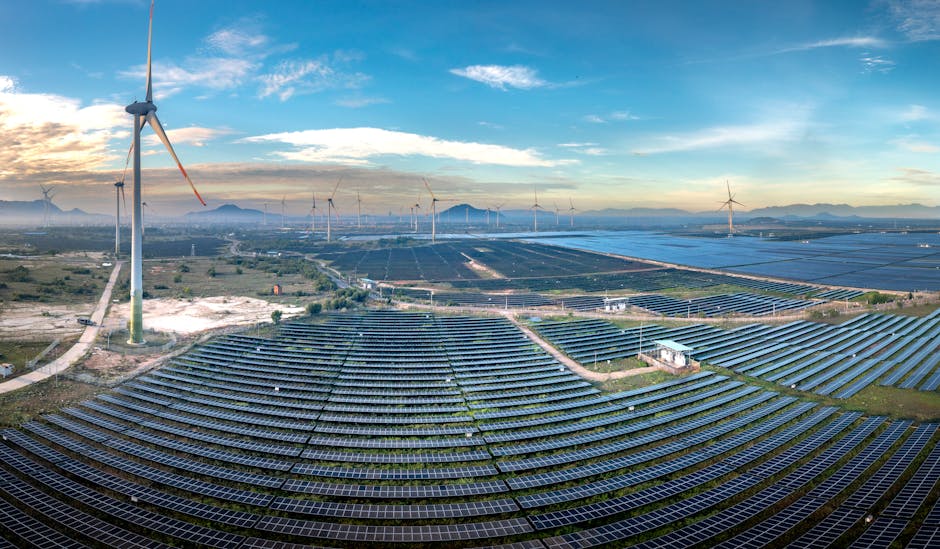
- Utility-Scale Solar in Uncertain Markets: Utility-scale developers working in dynamic markets like ERCOT use credit enhancement to expand bank buy-in, even when long-term offtaker credit is IG-rated. Recently, we enabled financing for a 400MW project by enhancing credit and optimizing the capital stack.
How This Impacts Everyone: Developers, Lenders, and Owners
We see the cascade effects of unchecked credit risk across the value chain:
- Developers: Pipeline velocity slows down as balance sheet support is monopolized and project closings are delayed. New projects wait in the wings for internal capacity to free up.
- Lenders and Investors: Credit exposure eats into internal risk limits, making it harder to scale lending to fast-growing platforms or pursue new borrower segments.
- Owners and Sponsors: Asset aggregation gets complicated, as unrated revenue contracts lower exit multiples and limit refinance options in dynamic markets.
Making Credit Risk a Strategic Advantage: Five Steps to Unlock Capital
At Energetic Capital, our focus is on turning credit risk from a dead-end into a competitive advantage that lets your portfolio access deeper pools of capital. Here are the top steps we recommend for teams aiming to de-risk renewable projects early and attract more lenders:
- Start with Early: Don’t wait for lenders to flag credit issues. As a sponsor being proactive in spotting and mitigating any potential concerns related to project structure or credit is critical for discussions with financiers.
- Prioritize Proven Asset Types and Contract Structures: If you’re working with distributed solar, storage, wind, or proven energy efficiency models, you’re already lowering operational risk. Make sure you have site control, interconnection, and permit certainty ahead of lender engagement.
- Integrate External Risk Transfer Early: Don’t treat credit insurance as a last resort. Instead, apply for protection at the capital structuring stage, whether you’re raising construction, term debt, or prepping for tax equity. Properly structured insurance that de-risks offtaker credit risk can make even unrated contracts eligible for investment-grade financing which may be able to move advance rates up significantly and expanding lender pools.
- Pool and Standardize for Capital Markets: If your strategy includes asset aggregation, combine cash flows from multiple projects to create diversity amongst projects, geographies, asset types, and offtakers.

What Happens When You Address Credit Risk Head-On?
Across dozens of large transactions, we’ve seen how mitigating credit risks impacts real deal outcomes, with projects achieving lower total capital costs, faster execution, and far less friction.
Who Stands to Gain the Most?
- Project Finance Leads and CFOs: Streamline your financing process, preserve corporate balance sheet capacity, and increase debt tenors and advance rates.
- Portfolio Managers and Credit Officers: Easily grow exposure in distributed and C&I segments without breaching internal concentration or sector caps.
- M&A and Corporate Development Teams: Ability to bid in less competitive parts of the market by derisking offtaker credit profile, providing your project finance team higher confidence in project bankability.
When Is the Right Time to Start?
As early as possible. Incorporating credit enhancement at the development or acquisition stage maximizes optionality and can drive material value for the entire capital structure. In current markets, as federal programs adjust and LC availability tightens, scalable risk transfer is quickly becoming the new standard for unlocking solar, battery storage, microgrids, fuel cells, and other critical infrastructure that rely on contracted cashflows.
Key Takeaways and Next Steps
- Credit risk, not technology or resource variability, is typically the primary constraint holding back capital access in renewable energy projects.
- By quantifying credit exposure early and integrating credit insurance proactively, your team may be able to unlock higher advance rates, more competitive pricing, and broad lender interest across the capital stack.
- If you want to transform credit risk from a constraint into strategic leverage, reach out and discuss your development strategy/pipeline with us. The transformation in deal terms speaks for itself.
If you’re ready to approach your next renewable financing with a better answer for all things credit risk, we’re here to help. To learn more about integrating credit insurance into your financing strategy, contact Energetic Capital today.

How Credit Risk Limits Your Renewable Project’s Financing and What to Do About It
When we talk with renewable energy developers and financiers across the country, one theme comes up week after week: the toughest roadblock to scaling and financing clean energy isn't technical performance, construction delays, or even regulatory uncertainty. Instead, it’s something less visible, offtaker/counterparty credit risk. At Energetic Capital, we’ve seen it all: projects with robust offtake agreements and owners with strong track records still struggle to unlock financing because the long-term offtaker doesn’t carry an investment-grade credit rating. Let’s explore why credit risk remains such a critical constraint, how it limits project financing, and what proactive steps you can take to turn this challenge into an opportunity.
Why Credit Risk Defines Whether Your Project Gets Financed
So much of renewable energy’s promise depends on long-term contracts such as Power Purchase Agreements (PPAs), Energy Service Agreements, tolling arrangements, and leases. While banks and institutional investors love predictable, inflation-hedged cash flows, their biggest question is: will the offtaker pay reliably for the next 10, 15, or 25 years?
- Unrated or Sub-Investment-Grade Counterparties: Most commercial and industrial (C&I) buyers, community aggregators, and even some municipal entities do not have an investment credit rating and thus may not meet lenders’ internal credit thresholds. This risk increases capital requirements for banks, drives up spreads and other terms, and can even reduce any willingness to lend.
- Concentration Limits: Financiers typically have concentration limit exposures to corporates whether IG or unrated/non-IG. So while you may even have an IG offtaker, the bank may have significant exposure in other parts of their loan book restricting your ability to access financing.
- Default Risk: Renewable project success depends largely on underlying contract performance (e.g. PPA, ESA, MSA, etc). While projects may have other revenue sources available to them (e.g. Renewable Energy Credits), if your offtaker can’t pay, a significant part of the project's revenue stream may be compromised.
This means that even best-in-class assets such as solar, wind, storage, or fuel cells are often sized for debt at just 40-50% of total project costs if credit risk isn’t addressed, assuming that financing is accessible at all. In contrast, projects backed by rated utilities or blue-chip corporates might include more optimized leverage options, reducing equity commitments by the Sponsor, at more favorable pricing.
The Real Impact: How Credit Risk Shrinks the Pool of Willing Lenders
For many developers, the frustration sets in during term sheet negotiations. Developers or asset owners often encounter:
- Higher Borrowing Costs: Lenders build in credit risk premiums for non-investment-grade offtakers, which can wipe out project margins and reduce IRR for equity holders.
- Shorter Tenors: Banks may only provide debt for shorter tenors, mismatching the contract duration and creating refinancing risk.
- Limited Lender Participation: Fewer banks are willing to underwrite these risks, so sponsors often end up with a single or small club of lenders limiting competitive tension and increasing closing timeline friction.
- Forced Balance Sheet Support: In the absence of external risk transfer, many deal teams resort to costly parent guarantees or letters of credit to get a deal over the line. This ties up valuable corporate capacity and delays progress across a pipeline.
Concrete Examples: Where Credit Risk Makes or Breaks Financing
- Distributed Generation Portfolios: We enabled a PE-backed platform to double the amount of revenue derived from non-investment-grade customers in its portfolio by integrating credit insurance. This unlocked a multi-hundred million dollar credit facility, increased the availability of capital, and accelerated deal closing across more than 100 sites.
- Unrated Offtaker Wind Projects: A 40MW wind project with a leading developer and top project finance bank stalled in diligence after recognizing the offtake entity was a subsidiary of a blue-chip corporation. Insuring the offtaker credit risk increased capital access by a third, facilitating permanent financing and putting much-needed clean energy on the grid.
- Utility-Scale Solar in Uncertain Markets: Utility-scale developers working in dynamic markets like ERCOT use credit enhancement to expand bank buy-in, even when long-term offtaker credit is IG-rated. Recently, we enabled financing for a 400MW project by enhancing credit and optimizing the capital stack.
How This Impacts Everyone: Developers, Lenders, and Owners
We see the cascade effects of unchecked credit risk across the value chain:
- Developers: Pipeline velocity slows down as balance sheet support is monopolized and project closings are delayed. New projects wait in the wings for internal capacity to free up.
- Lenders and Investors: Credit exposure eats into internal risk limits, making it harder to scale lending to fast-growing platforms or pursue new borrower segments.
- Owners and Sponsors: Asset aggregation gets complicated, as unrated revenue contracts lower exit multiples and limit refinance options in dynamic markets.
Making Credit Risk a Strategic Advantage: Five Steps to Unlock Capital
At Energetic Capital, our focus is on turning credit risk from a dead-end into a competitive advantage that lets your portfolio access deeper pools of capital. Here are the top steps we recommend for teams aiming to de-risk renewable projects early and attract more lenders:
- Start with Early: Don’t wait for lenders to flag credit issues. As a sponsor being proactive in spotting and mitigating any potential concerns related to project structure or credit is critical for discussions with financiers.
- Prioritize Proven Asset Types and Contract Structures: If you’re working with distributed solar, storage, wind, or proven energy efficiency models, you’re already lowering operational risk. Make sure you have site control, interconnection, and permit certainty ahead of lender engagement.
- Integrate External Risk Transfer Early: Don’t treat credit insurance as a last resort. Instead, apply for protection at the capital structuring stage, whether you’re raising construction, term debt, or prepping for tax equity. Properly structured insurance that de-risks offtaker credit risk can make even unrated contracts eligible for investment-grade financing which may be able to move advance rates up significantly and expanding lender pools.
- Pool and Standardize for Capital Markets: If your strategy includes asset aggregation, combine cash flows from multiple projects to create diversity amongst projects, geographies, asset types, and offtakers.
What Happens When You Address Credit Risk Head-On?
Across dozens of large transactions, we’ve seen how mitigating credit risks impacts real deal outcomes, with projects achieving lower total capital costs, faster execution, and far less friction.
Who Stands to Gain the Most?
- Project Finance Leads and CFOs: Streamline your financing process, preserve corporate balance sheet capacity, and increase debt tenors and advance rates.
- Portfolio Managers and Credit Officers: Easily grow exposure in distributed and C&I segments without breaching internal concentration or sector caps.
- M&A and Corporate Development Teams: Ability to bid in less competitive parts of the market by derisking offtaker credit profile, providing your project finance team higher confidence in project bankability.
When Is the Right Time to Start?
As early as possible. Incorporating credit enhancement at the development or acquisition stage maximizes optionality and can drive material value for the entire capital structure. In current markets, as federal programs adjust and LC availability tightens, scalable risk transfer is quickly becoming the new standard for unlocking solar, battery storage, microgrids, fuel cells, and other critical infrastructure that rely on contracted cashflows.
Key Takeaways and Next Steps
- Credit risk, not technology or resource variability, is typically the primary constraint holding back capital access in renewable energy projects.
- By quantifying credit exposure early and integrating credit insurance proactively, your team may be able to unlock higher advance rates, more competitive pricing, and broad lender interest across the capital stack.
- If you want to transform credit risk from a constraint into strategic leverage, reach out and discuss your development strategy/pipeline with us. The transformation in deal terms speaks for itself.
If you’re ready to approach your next renewable financing with a better answer for all things credit risk, we’re here to help. To learn more about integrating credit insurance into your financing strategy, contact Energetic Capital today.


