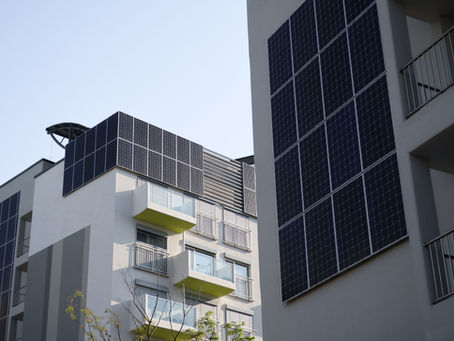
A renewable energy project can have a strong site, proven technology, and an experienced development team and still struggle to secure financing. Sometimes, the sticking point is the customer buying the power.
When that customer, or offtaker, doesn’t have a public credit rating, lenders have more work to do. They need to understand whether the buyer can meet its payment obligations over the life of the contract and what happens to the project’s cash flow if it can’t.
An unrated offtaker isn’t necessarily a weak customer. Many established private businesses, municipalities, and cooperatives operate without a rating from S&P, Moody’s, or Fitch. But without that outside assessment, lenders need other ways to get comfortable with the risk.
For developers and sponsors, addressing that uncertainty early can make a meaningful difference in whether a project gets financed and on what terms.
Why the Buyer’s Credit Matters
Lenders rely on a project’s expected cash flow to support debt repayment. A long-term power purchase agreement (PPA), energy service agreement, lease, or tolling agreement helps establish that revenue stream. Its value to a lender, however, depends in part on the buyer’s ability to keep paying.
With an unrated offtaker, lenders typically take a closer look at:
- The customer’s financial health and ability to meet long-term obligations.
- The contract’s payment terms and protections.
- The project’s options to monetization if the agreement is terminated.
- The time and revenue needed to replace a customer.
That additional uncertainty can translate into less debt (if available at all), higher borrowing costs, larger reserves, or a greater equity contribution from the sponsor. Some lenders may require a guarantee or other credit support before moving forward.
The project’s technical strengths still matter. But they don’t resolve the separate question of who pays if the customer defaults.
Making the Contract Easier to Finance
The best time to address offtaker credit risk is while the project and its contracts are still taking shape.
Start with the PPA/offtake agreement itself. Clear payment obligations, pricing, default provisions, cure periods, termination rights, and lender protections give financing partners a better basis for evaluating the revenue.
Financial modeling should then test what happens when those revenues come under pressure. What if the customer stops paying? What if the contract terminates early? How much replacement revenue would the project need, and how quickly?
Working through those questions helps identify the specific risks that need support. Depending on the transaction, that support might include a parent guarantee, a letter of credit, cash reserves, or credit insurance.
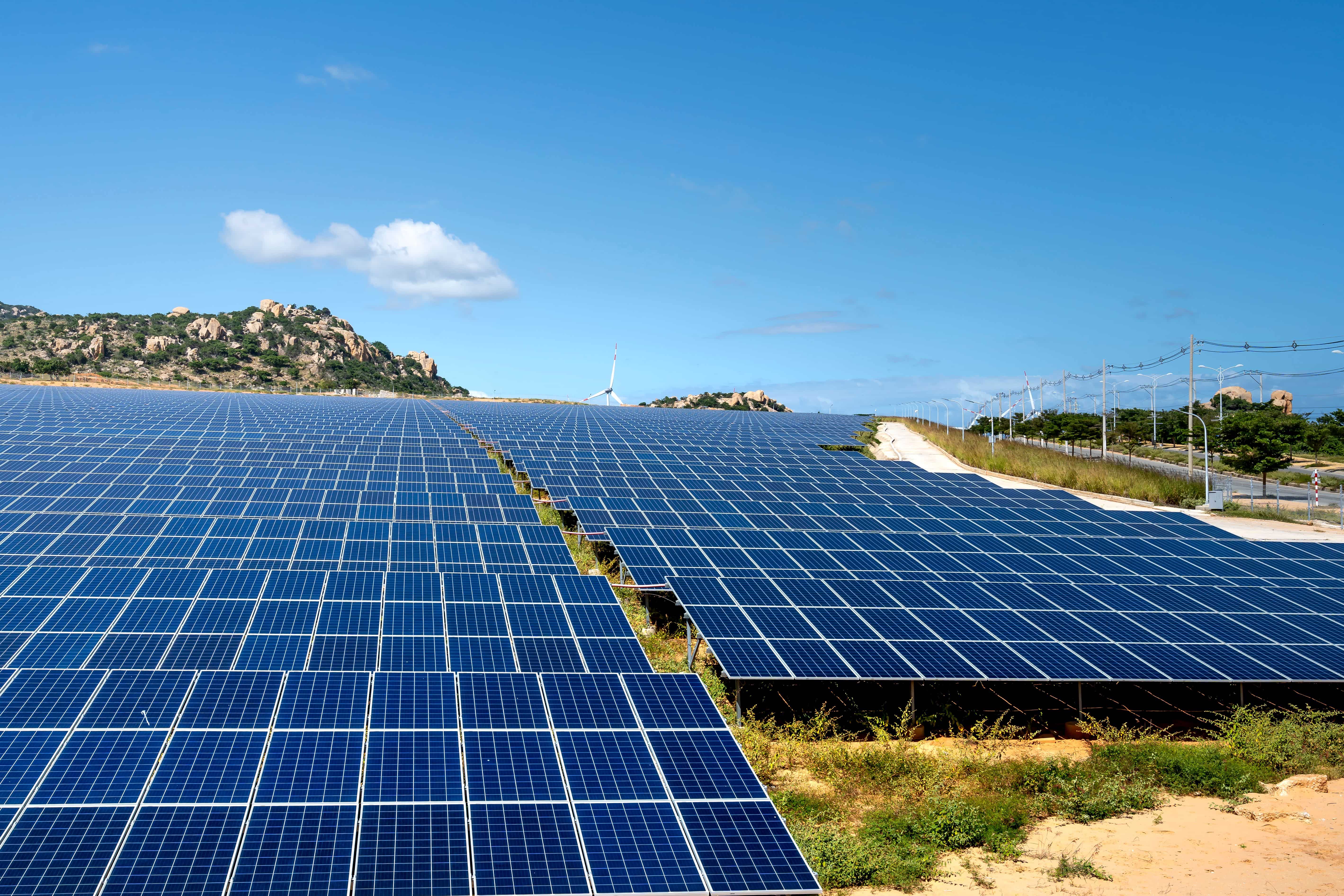
Where Credit Insurance Fits
Credit insurance can help bridge the gap between an unrated customer and a lender’s credit requirements by transferring covered payment-default risk to an insurer.
At Energetic Capital, we work with developers, sponsors, and financing partners to structure credit insurance and risk-transfer solutions for renewable energy projects. The aim is to give lenders greater confidence in contracted revenue and help projects access capital that might otherwise be difficult to secure.
Depending on the coverage and the lender’s requirements, that support can help:
- Broaden the pool of potential lenders.
- Improve borrowing terms.
- Reduce the need for additional sponsor support.
The outcome depends on the transaction, including the policy’s terms, coverage limits, exclusions, and the insurer’s credit quality.
These solutions can support a range of technologies and contract structures, including solar, wind, storage, fuel cells, and energy efficiency projects.
Planning for Portfolios
The same credit questions arise when financing a portfolio of smaller projects. Spreading revenue across multiple customers can reduce dependence on any one buyer. Still, lenders need to understand the portfolio’s overall credit quality, customer concentrations, and contract terms. A larger number of contracts doesn’t automatically resolve those concerns.
A coordinated approach to credit support can help sponsors address them across the portfolio. For example, Energetic Capital helped facilitate a $225 million credit facility for a distributed generation portfolio backed by private equity. Embedding credit insurance helped improve terms and allowed the facility to accommodate twice as much non-investment-grade exposure. For developers adding projects over time, establishing that financing approach early can also make it easier to plan future growth.
Bring Credit Into the Conversation Early
Waiting until the final stages of financing to address an unrated offtaker can lead to revised terms, additional documentation, and delays. A more effective approach is to evaluate the customer’s credit during contract negotiations, identify what lenders will need, and build the appropriate support into the transaction. That gives developers, insurers, and financing partners time to align the contract, coverage, and debt structure.
An unrated offtaker doesn’t have to prevent a good renewable energy project from moving forward. With clear contracts and credit support suited to the transaction, developers can give lenders a stronger basis for financing it.
If offtaker credit is holding up your project, connect with Energetic Capital to explore the options.

Financing Renewable Energy Projects With an Unrated Offtaker
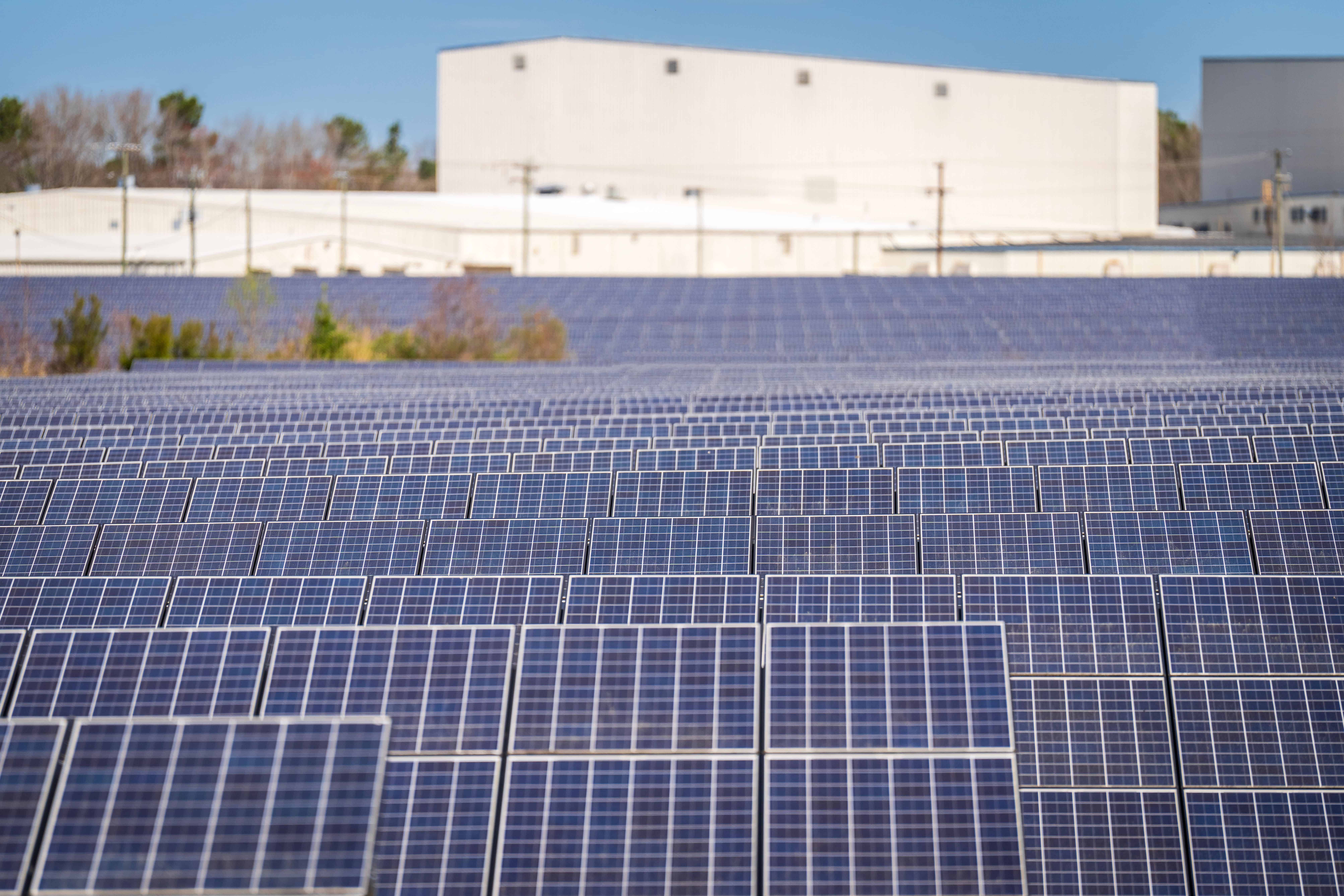
A renewable energy project can have a strong site, proven technology, and an experienced development team and still struggle to secure financing. Sometimes, the sticking point is the customer buying the power.
When that customer, or offtaker, doesn’t have a public credit rating, lenders have more work to do. They need to understand whether the buyer can meet its payment obligations over the life of the contract and what happens to the project’s cash flow if it can’t.
An unrated offtaker isn’t necessarily a weak customer. Many established private businesses, municipalities, and cooperatives operate without a rating from S&P, Moody’s, or Fitch. But without that outside assessment, lenders need other ways to get comfortable with the risk.
For developers and sponsors, addressing that uncertainty early can make a meaningful difference in whether a project gets financed and on what terms.
Why the Buyer’s Credit Matters
Lenders rely on a project’s expected cash flow to support debt repayment. A long-term power purchase agreement (PPA), energy service agreement, lease, or tolling agreement helps establish that revenue stream. Its value to a lender, however, depends in part on the buyer’s ability to keep paying.
With an unrated offtaker, lenders typically take a closer look at:
- The customer’s financial health and ability to meet long-term obligations.
- The contract’s payment terms and protections.
- The project’s options to monetization if the agreement is terminated.
- The time and revenue needed to replace a customer.
That additional uncertainty can translate into less debt (if available at all), higher borrowing costs, larger reserves, or a greater equity contribution from the sponsor. Some lenders may require a guarantee or other credit support before moving forward.
The project’s technical strengths still matter. But they don’t resolve the separate question of who pays if the customer defaults.
Making the Contract Easier to Finance
The best time to address offtaker credit risk is while the project and its contracts are still taking shape.
Start with the PPA/offtake agreement itself. Clear payment obligations, pricing, default provisions, cure periods, termination rights, and lender protections give financing partners a better basis for evaluating the revenue.
Financial modeling should then test what happens when those revenues come under pressure. What if the customer stops paying? What if the contract terminates early? How much replacement revenue would the project need, and how quickly?
Working through those questions helps identify the specific risks that need support. Depending on the transaction, that support might include a parent guarantee, a letter of credit, cash reserves, or credit insurance.
Where Credit Insurance Fits
Credit insurance can help bridge the gap between an unrated customer and a lender’s credit requirements by transferring covered payment-default risk to an insurer.
At Energetic Capital, we work with developers, sponsors, and financing partners to structure credit insurance and risk-transfer solutions for renewable energy projects. The aim is to give lenders greater confidence in contracted revenue and help projects access capital that might otherwise be difficult to secure.
Depending on the coverage and the lender’s requirements, that support can help:
- Broaden the pool of potential lenders.
- Improve borrowing terms.
- Reduce the need for additional sponsor support.
The outcome depends on the transaction, including the policy’s terms, coverage limits, exclusions, and the insurer’s credit quality.
These solutions can support a range of technologies and contract structures, including solar, wind, storage, fuel cells, and energy efficiency projects.
Planning for Portfolios
The same credit questions arise when financing a portfolio of smaller projects. Spreading revenue across multiple customers can reduce dependence on any one buyer. Still, lenders need to understand the portfolio’s overall credit quality, customer concentrations, and contract terms. A larger number of contracts doesn’t automatically resolve those concerns.
A coordinated approach to credit support can help sponsors address them across the portfolio. For example, Energetic Capital helped facilitate a $225 million credit facility for a distributed generation portfolio backed by private equity. Embedding credit insurance helped improve terms and allowed the facility to accommodate twice as much non-investment-grade exposure. For developers adding projects over time, establishing that financing approach early can also make it easier to plan future growth.
Bring Credit Into the Conversation Early
Waiting until the final stages of financing to address an unrated offtaker can lead to revised terms, additional documentation, and delays. A more effective approach is to evaluate the customer’s credit during contract negotiations, identify what lenders will need, and build the appropriate support into the transaction. That gives developers, insurers, and financing partners time to align the contract, coverage, and debt structure.
An unrated offtaker doesn’t have to prevent a good renewable energy project from moving forward. With clear contracts and credit support suited to the transaction, developers can give lenders a stronger basis for financing it.
If offtaker credit is holding up your project, connect with Energetic Capital to explore the options.