
This marks the third summer we are sharing our team's summer reading list; it is always one of our best performing posts.
You can check out last year's collection of our favorite summer reads. Encourage everyone to see if they can find these in their local independent bookstore.
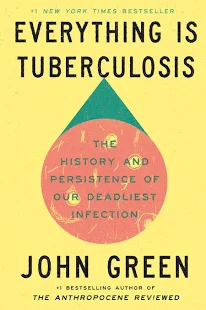
Nathan: Everything Is Tuberculosis: The History and Persistence of Our Deadliest Infection. There is a saying I like to repeat as often as possible: "much was decided before we were born." I am a sucker for non-fiction that spans generations to get insight into why the world is the way it is. I think there are often useful insights we can apply in our day-to-day. Our routines are shaped by decisions made long ago by people we never met. Mapping these themes across history is a helpful reminder of how little we control, but also the strategies at our disposal to control what we can
Vinny: Dilla Time: The Life and Afterlife of J Dilla, the Hip-Hop Producer Who Reinvented Rhythm. I’m a big hip-hop fan, and J Dilla’s influence on the genre is undeniable. His creativity and unconventional approach to rhythm, micro-chopping, and his signature swing have always fascinated me, so I’m excited to finally read a book that’s been on my list for a while. Fun fact: Dilla's MPC 3000 is in the Smithsonian's National Museum of African American History in DC.
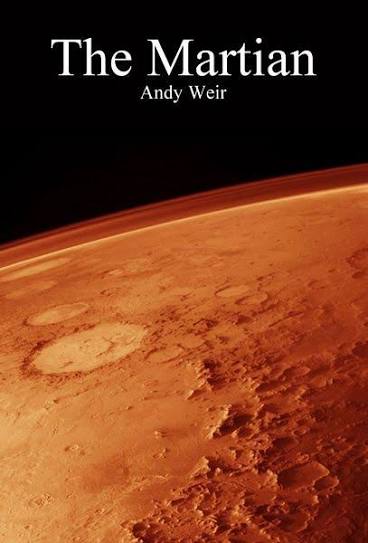
Heath: The Martian. When reading for pleasure, I’m a big fan of anything science fiction. After having read other works by Andy Weir, I’ve enjoyed the consistent theme of how logical problem-solving, engineering, and scientific thinking can overcome even the most difficult challenges. I also appreciate the message that resilience, perseverance, optimism, and creativity are often the keys to succeeding when circumstances seem impossible. I think these are compelling themes that extend beyond space exploration and reflect the challenges we encounter in everyday life.
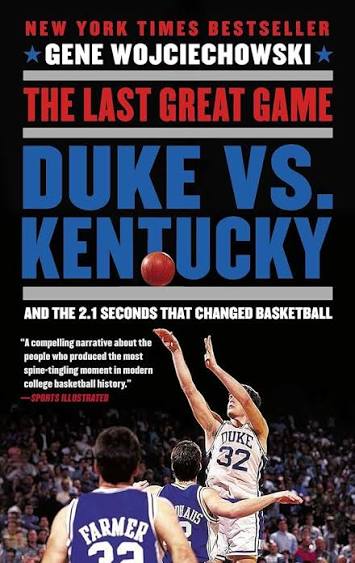
Sawyer: The Last Great Game - Duke vs. Kentucky. I grew up in Kentucky (where Duke is public enemy #1) and always heard stories of the game when Laettner hit the shot of all shots to beat Kentucky. I never knew the backstory of how each team got to that point, what was going on in the minds of these players and coaches, and how important this game was to the history of college basketball. Every year in March... Kentucky fans are forced to relive this moment and getting to hear about what went on behind the scenes is very cool!
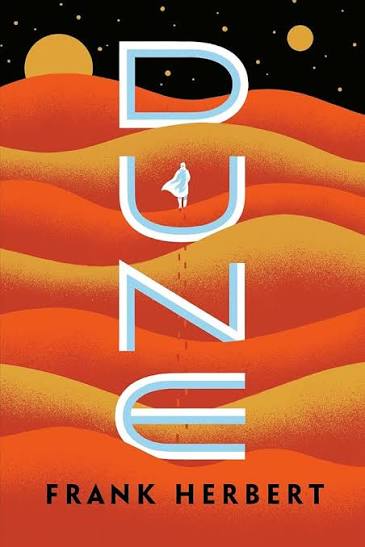
Peter: Dune. This Frank Herbert classic is a study in the art of influencing others through words and actions. What is not said is often more important than what is said, and we should always measure our words based on what we want our audience to think. Dune offers a masterclass in this. My boss recommended this book to me mentioning one of his favorite quotes: "If only he had the sublty to match his courage, he would be quite formidable."
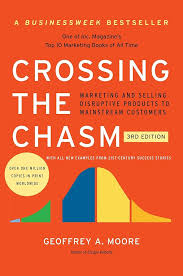
Steve: Crossing the Chasm. One of the biggest challenges in building great products isn't writing the code, it's getting people to actually use what you've built. The gap between early enthusiasts and the much larger audience that only adopts a product when it's intuitive, reliable, and clearly solves an important problem. That transition isn't just a marketing challenge. It begins with product design. It requires understanding how users think, what they value, and where friction prevents adoption.

Energetic's Summer Reading List

This marks the third summer we are sharing our team's summer reading list; it is always one of our best performing posts.
You can check out last year's collection of our favorite summer reads. Encourage everyone to see if they can find these in their local independent bookstore.
Nathan: Everything Is Tuberculosis: The History and Persistence of Our Deadliest Infection. There is a saying I like to repeat as often as possible: "much was decided before we were born." I am a sucker for non-fiction that spans generations to get insight into why the world is the way it is. I think there are often useful insights we can apply in our day-to-day. Our routines are shaped by decisions made long ago by people we never met. Mapping these themes across history is a helpful reminder of how little we control, but also the strategies at our disposal to control what we can
Vinny: Dilla Time: The Life and Afterlife of J Dilla, the Hip-Hop Producer Who Reinvented Rhythm. I’m a big hip-hop fan, and J Dilla’s influence on the genre is undeniable. His creativity and unconventional approach to rhythm, micro-chopping, and his signature swing have always fascinated me, so I’m excited to finally read a book that’s been on my list for a while. Fun fact: Dilla's MPC 3000 is in the Smithsonian's National Museum of African American History in DC.
Heath: The Martian. When reading for pleasure, I’m a big fan of anything science fiction. After having read other works by Andy Weir, I’ve enjoyed the consistent theme of how logical problem-solving, engineering, and scientific thinking can overcome even the most difficult challenges. I also appreciate the message that resilience, perseverance, optimism, and creativity are often the keys to succeeding when circumstances seem impossible. I think these are compelling themes that extend beyond space exploration and reflect the challenges we encounter in everyday life.
Sawyer: The Last Great Game - Duke vs. Kentucky. I grew up in Kentucky (where Duke is public enemy #1) and always heard stories of the game when Laettner hit the shot of all shots to beat Kentucky. I never knew the backstory of how each team got to that point, what was going on in the minds of these players and coaches, and how important this game was to the history of college basketball. Every year in March... Kentucky fans are forced to relive this moment and getting to hear about what went on behind the scenes is very cool!
Peter: Dune. This Frank Herbert classic is a study in the art of influencing others through words and actions. What is not said is often more important than what is said, and we should always measure our words based on what we want our audience to think. Dune offers a masterclass in this. My boss recommended this book to me mentioning one of his favorite quotes: "If only he had the sublty to match his courage, he would be quite formidable."
Steve: Crossing the Chasm. One of the biggest challenges in building great products isn't writing the code, it's getting people to actually use what you've built. The gap between early enthusiasts and the much larger audience that only adopts a product when it's intuitive, reliable, and clearly solves an important problem. That transition isn't just a marketing challenge. It begins with product design. It requires understanding how users think, what they value, and where friction prevents adoption.


